Guided buying helper

Find the Right Anywell Model in 2 Minutes

Answer a few fit questions and we’ll help you choose the chair or scooter that matches your seat room, storage, loading plan, and daily route.

Seat Room

Compare the seat space you want for daily sitting comfort and easier transfers.

Rated Support

Match the model's rated support to the rider and daily-use expectations.

Doorway & Indoor Space

Think through the narrowest doorway, hallway, turning path, and indoor route you use most.

Folding Storage

Choose a folding setup when apartment, home, or closet storage matters most.

Vehicle Loading Plan

Plan whether you will use a ramp, lift, helper, or dedicated vehicle storage space.

Daily Route & Battery Range

Match the product to home, sidewalk, driveway, paved path, ramp, and daily route length.

Chair vs Scooter Preference

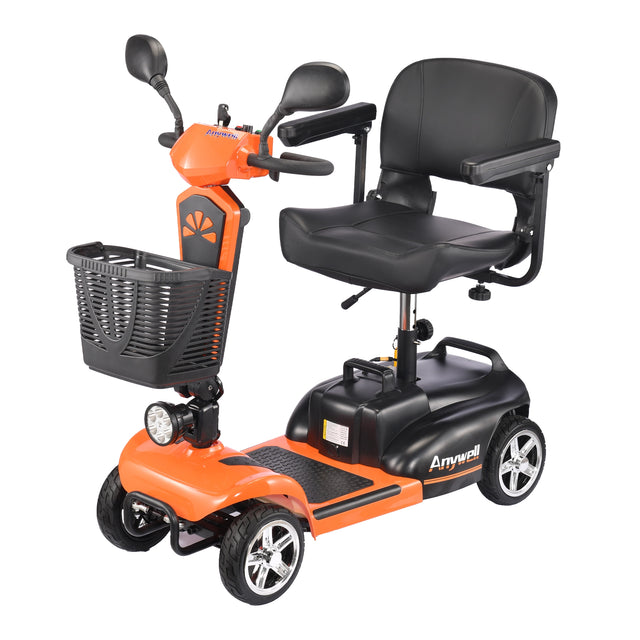
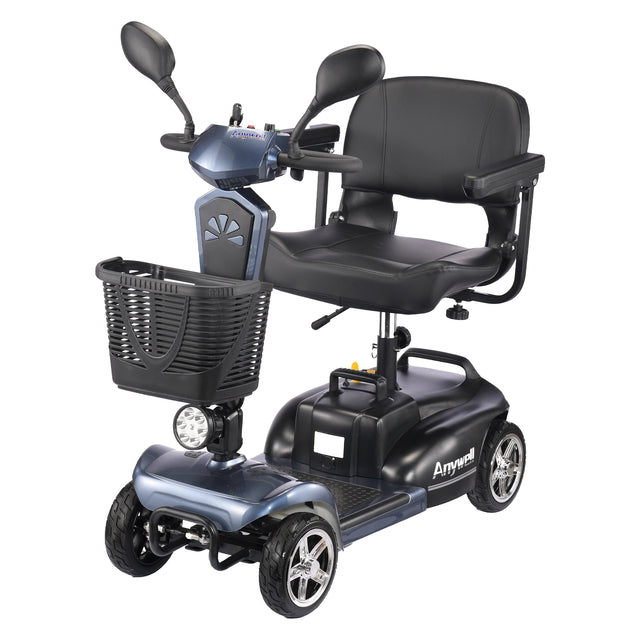
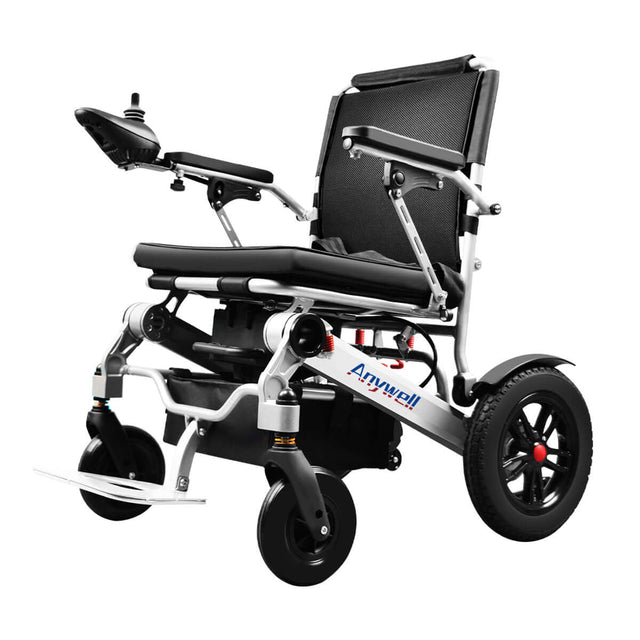
Choose a chair-style model for power wheelchair support or X-024 for scooter-style mobility.

Seated leg-reach fit

A simple leg-reach check

Anywell power wheelchairs are designed for a wide range of adults. For many riders, the standard seat and foot-support setup is a practical starting point—but standing height alone cannot confirm fit. Seated lower-leg reach, full foot support and your transfer method are the checks that matter.

Real rider · everyday seated use

For many adults: feet fully supported

Real YS16-1 MAX rider seated outdoors with both feet fully supported on the wheelchair foot supports. Real YS16-1 MAX rider Everyday riding: both feet fully supported

During normal seated use: keep both feet fully supported on the foot supports. The dashed guide is a simple visual aid—not a required body size.

  • Check that the thighs are supported without pressure behind the knees.
  • Confirm both feet rest securely without crowding or sliding.
Real rider · stationary transfer check

Shorter seated reach: check support and transfers

Real YS16-1 MAX rider seated in a stationary chair outdoors with both feet on the ground and the foot supports positioned to either side of the feet. Real YS16-1 MAX rider Stationary transfer check: feet on stable ground

If your seated lower-leg reach is shorter: check whether the foot supports adjust high enough for full support. If they do not, contact us before ordering and plan the transfer method that is safe for you.

  • Do not use standing height or someone else's fit as a guarantee.
  • Feet touch the ground only for a stationary transfer—not while the chair is moving.
Stop securely

Use level ground, power the chair off and set the brakes before getting in or out.

Clear the foot supports

Move them aside before placing both feet on stable ground. Never stand on the foot supports.

Use stable support

Use a stable handhold or assistance that matches your transfer plan. Never use the joystick as a weight-bearing handhold.

1 · Seated lower-leg reach

With usual footwear on, measure from just behind the knee to the heel in your intended seated posture.

2 · Everyday foot support

Compare that measurement with the exact model's seat-to-foot-support distance and verified adjustment range.

3 · Your transfer plan

Check how you will reach stable ground, what hand support you use and whether another person or transfer aid is needed.

Wide range—not one-size-fits-all: If a health or mobility condition changes how you sit, support your feet or transfer, follow your own clinician or mobility professional's guidance before ordering. We can help compare your measurements with the product specifications, but we cannot replace an individual assessment.

Comparing battery options on the wide-seat platform? The YS16-1 MAX 12Ah has a 22.05 in usable seat. Compare it with the 20Ah option below, using your daily route and charging plan.