

Choosing a power wheelchair for daily life starts with the spaces you use most. A suitable model may help with errands and activities, but it does not remove every doorway, surface or transport barrier. Check the route before buying.
Measure clear doorway openings
Measure the narrowest usable opening with the door in the position used for passage. Include hinges, handles, thresholds and the approach angle. Compare this with the wheelchair's overall operating width and the space needed to maneuver, not just its seat width. Allow practical clearance; matching two nominal numbers does not establish a usable route.
Check turns and working spaces
Review corners, bathroom access, dining areas, desks and storage. Ask for the exact model's turning dimensions and control setup. Do not assume zero-radius turning, all-terrain capability or adjustable seating from a general product label.
Separate seat fit from home fit
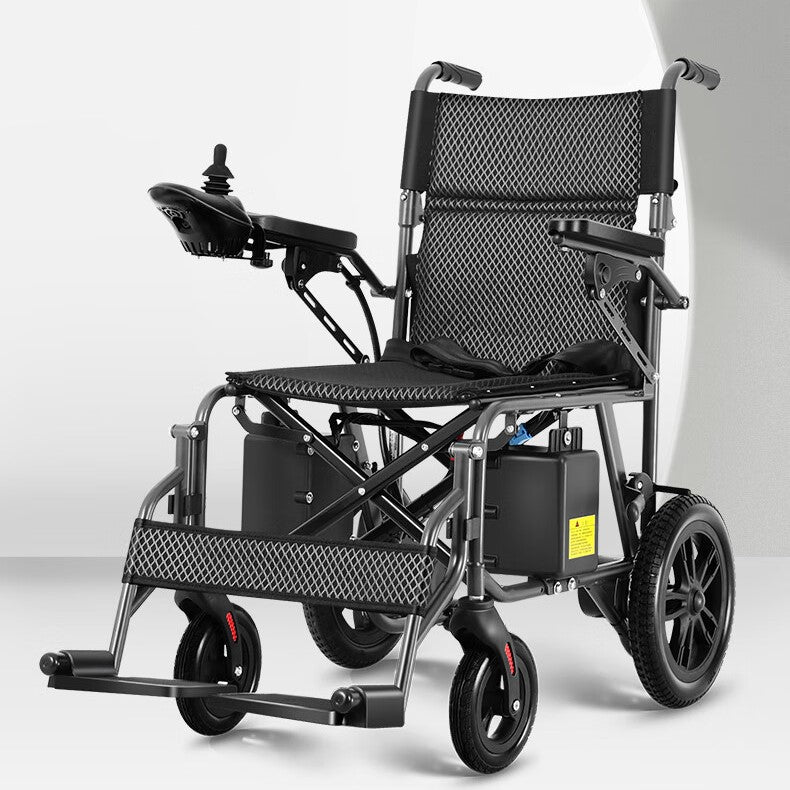
The YS16-1 MAX 20Ah lists a 22.05-inch usable seat and 400 lb rated support. The 22.05-inch figure is not its overall doorway-clearance requirement. Confirm current operating dimensions with the model documentation and compare your measured route.
Include the trip beyond the front door
Check sidewalks, ramps, destination access, battery reserve and transport assistance. Operate only within the manual's surface and slope limits. If vehicle travel is needed, account for the full chair weight and loading equipment, not only folded size.
Prepare questions before ordering
Use the Fit Check to organize your measurements, then compare the electric wheelchair collection or heavy-duty options. Contact support for unresolved model dimensions and seek qualified individual advice when seating or control use needs assessment.


Leave a comment
This site is protected by hCaptcha and the hCaptcha Privacy Policy and Terms of Service apply.